

Bringing the university’s commitment to internationalization and global academic engagement beyond borders, Edwin N. Soriano Jr., a fourth-year Bachelor of Science in Agriculture major in Entomology student of Isabela State University (ISU)–Roxas Campus, joined fellow ISU student delegates in the North Intensive Programme (NIP) 2026 held in Belgium from March 23 to April 2, 2026.
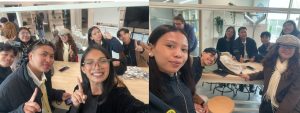
Organized through the international academic collaboration of Howest University of Applied Sciences and VIVES University of Applied Sciences in Belgium, the two-week programme brought together students from different countries to engage in collaborative learning, innovation, sustainability initiatives, and intercultural exchange.
Soriano was part of the five-member ISU delegation representing different campuses of the university, together with Darrel Daguio of ISU Cauayan Campus, Princess Abigail Lazaro of ISU San Mateo Campus, Marc Bien Lungub of ISU Ilagan Campus, and Benito III Tumanguil of ISU Cabagan Campus. The delegation was accompanied by their coach, Dr. Jo Ann Tomas-Ruiz, University Director of Public Relations, External Linkages, and International Affairs.
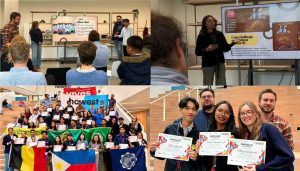
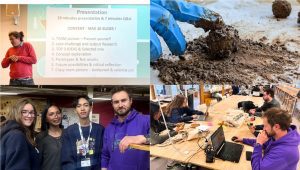
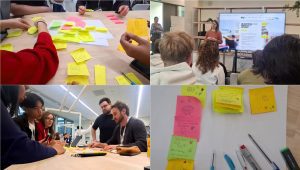
The first week of the programme focused on academic immersion at Howest University in Kortrijk, Belgium, where participants worked in international teams to address real-world challenges through case-based learning. Among the areas explored were sustainable agriculture, food innovation, environmental resource management, and entrepreneurship.
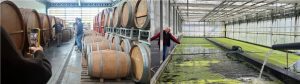
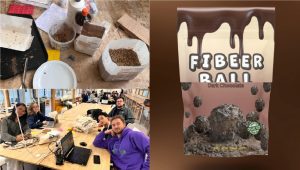
As a member of Case Group 2, Soriano collaborated with international students on the utilization of spent grain, a by-product of beer production. Through industry visits, interviews, brainstorming sessions, and product development activities, the group explored innovative ways to transform this agricultural by-product into value-added products.
Their team developed several prototypes, including tortillas, dog treats, and chocolate energy balls. Their main product, named “FiBeer Ball,” showcased the potential of spent grain as an ingredient for innovative and sustainable food products.
The academic phase culminated in the presentation of the groups’ outputs, followed by an awarding ceremony and cultural exchange activities. Representing ISU, the delegates showcased Filipino heritage through the performance of the Ilocano song “Isem” and the traditional dance Balse, wearing traditional Filipino attire.
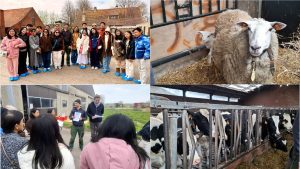
The second week centered on cultural immersion and international exposure. The participants experienced homestay activities with Belgian students, explored the historic cities of Brugge and Brussels, and visited farms, agricultural facilities, and historical sites. The delegation also had the opportunity to visit Paris, France, where they explored internationally recognized landmarks, including the Eiffel Tower, Louvre Museum, Notre-Dame Cathedral, and Arc de Triomphe. Their international exposure also extended to Sluis, Netherlands.
Beyond the academic activities and educational visits, the programme provided opportunities for meaningful interaction with students from different nationalities, allowing participants to exchange ideas, share traditions, and develop friendships across cultures.
For Soriano, the experience became an important milestone in his academic and personal development. Working with international students strengthened his communication, teamwork, adaptability, and problem-solving skills while broadening his understanding of global perspectives and sustainable practices.
The experience also demonstrated how academic knowledge can be translated into practical innovations through international collaboration, particularly in addressing challenges related to agriculture, food utilization, and sustainability.
Through this international academic engagement, ISU–Roxas Campus continues to take pride in its students’ participation in global learning opportunities that promote innovation, cultural understanding, and academic excellence.
Soriano’s journey in Belgium stands as an inspiring example of how opportunities beyond the classroom can shape globally competent, culturally aware, and socially responsible graduates.
One university, one global community—bringing Filipino talent and innovation to the world.