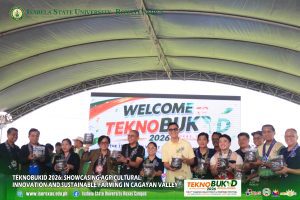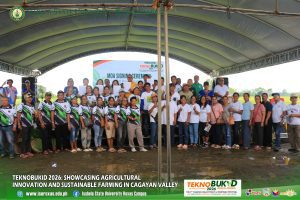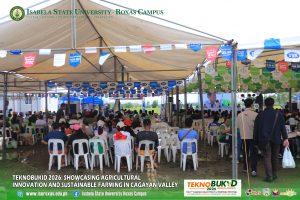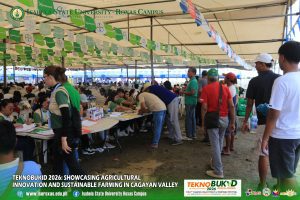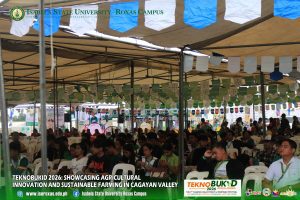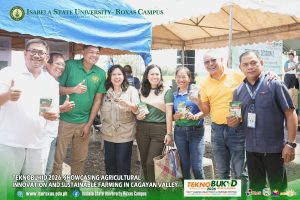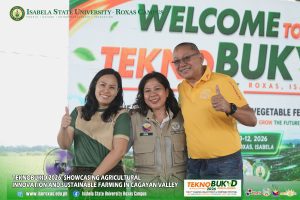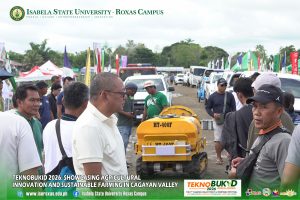


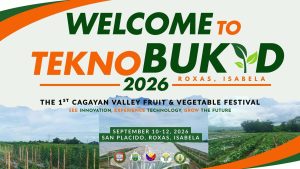
ROXAS, ISABELA — September 10–12, 2026. The Municipality of Roxas came alive with agricultural innovation, technology, and community collaboration as TEKNOBUKID 2026 — The 1st Cagayan Valley Fruit and Vegetable Festival was held at San Placido, Roxas, Isabela, under the theme, “See Innovation, Experience Technology, Grow the Future.”
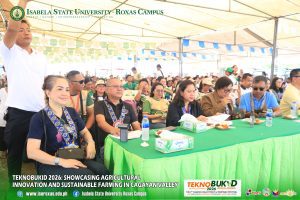
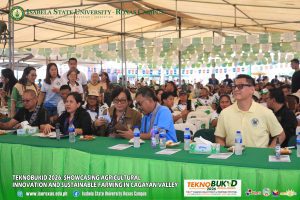
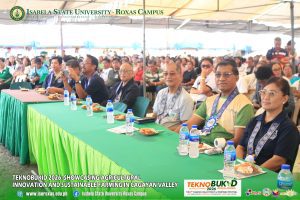
The landmark three-day festival was organized through the collaborative efforts of the Local Government Unit of Roxas, Province of Isabela, Department of Agriculture, and Isabela State University–Roxas Campus, bringing together farmers, agricultural experts, government representatives, academic institutions, business owners, students, and community members in a shared celebration of agriculture, innovation, and sustainable development.
TEKNOBUKID 2026 was conceived to celebrate the rich agricultural heritage of Roxas and the Cagayan Valley, showcase the abundance of locally produced fruits and vegetables, and promote modern farming technologies and sustainable agricultural practices. More than a festival, the event served as a platform for knowledge exchange, technology demonstration, enterprise development, community engagement, and stronger partnerships among the agricultural, academic, government, and private sectors.
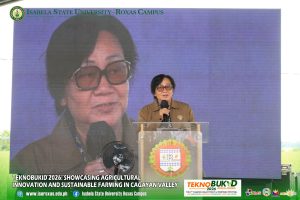
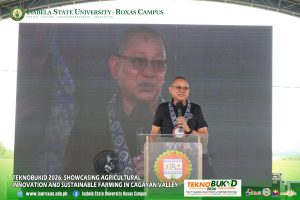
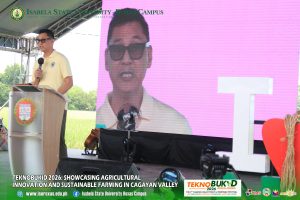
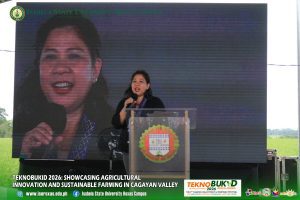
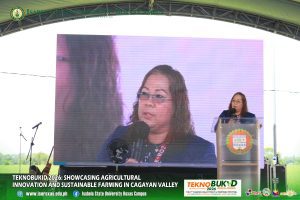
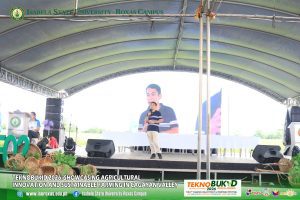
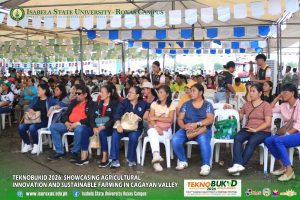
The festival opened with a program attended by local officials, partner-agency representatives, members of the academic community, farmers, farmer organizations of Roxas, Isabela, and other stakeholders. The opening highlighted the vital role of agriculture in Roxas and the broader Cagayan Valley, emphasizing the importance of innovation, technology adoption, and collaboration in building a more productive, resilient, and sustainable agricultural sector.
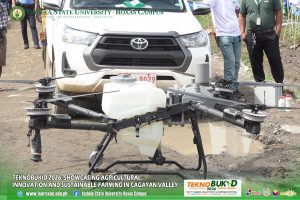
Throughout the three-day celebration, participants and visitors explored vibrant agro-industrial exhibits featuring fresh fruits, vegetables, and value-added agricultural products from Roxas and neighboring communities. The festival also featured demonstrations of modern agricultural machinery, climate-smart farming technologies, improved post-harvest practices, and other innovations designed to help farmers enhance productivity, efficiency, and resilience.
The celebration also included farm hauling services provided to farmer organizations of Roxas, Isabela, offering practical support for the transport of agricultural products and other farm-related needs. The initiative highlighted the importance of responsive support services in helping local farmers manage their agricultural activities and strengthen their productivity.
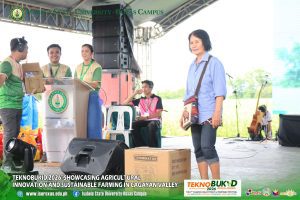
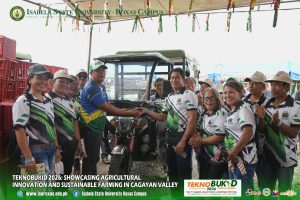
Adding to the excitement of the festival were various activities where farm materials, planting materials, and farm equipment were given as prizes to attendees. These prizes provided participants with useful agricultural resources while reinforcing the festival’s emphasis on farming, technology, and innovation.
As a venue for livelihood and enterprise development, TEKNOBUKID 2026 also provided local producers with opportunities to showcase and market their products, connect with potential buyers and consumers, and highlight the economic value of agriculture. These activities demonstrated how agricultural production can contribute not only to food security but also to livelihood generation and inclusive local economic development.
Learning and capacity-building were likewise central to the festival. Seminars, technical sessions, demonstrations, and knowledge-sharing activities provided participants with information on sustainable agricultural practices, crop diversification, organic farming, pest management, post-harvest technologies, and digital agriculture. These initiatives encouraged farmers and other stakeholders to explore practical innovations that can support more sustainable and technology-driven agricultural production.
For Isabela State University–Roxas Campus, participation in TEKNOBUKID 2026 reflects its commitment to its SMART-Green University vision and its role in advancing knowledge, innovation, sustainability, and community engagement. Through its academic programs, agricultural expertise, research initiatives, extension services, and community-based activities, the Campus continues to help bridge academic knowledge and practical solutions for farmers and local communities.
The festival likewise contributed to the broader pursuit of the United Nations Sustainable Development Goals (SDGs). Its activities supported SDG 2: Zero Hunger through sustainable agriculture and food production; SDG 8: Decent Work and Economic Growth through livelihood and market opportunities for local producers; SDG 9: Industry, Innovation and Infrastructure through the promotion of agricultural technologies and innovation; SDG 12: Responsible Consumption and Production through sustainable production practices; SDG 13: Climate Action through climate-smart approaches to agriculture; and SDG 17: Partnerships for the Goals through collaboration among government, academe, farmers, businesses, and communities.
Cultural presentations and the active participation of students and volunteers further enriched the celebration, highlighting the strong connection between the community and the land. The event also encouraged young people to appreciate agriculture not only as a livelihood but also as a field of science, technology, research, innovation, and service.
By bringing together different sectors around a common agricultural agenda, TEKNOBUKID 2026 strengthened collaboration, promoted agricultural innovation, expanded opportunities for local producers, and provided practical support to farmers and festival participants. As the 1st Cagayan Valley Fruit and Vegetable Festival, the event established a meaningful platform for continuing initiatives that support the agricultural sector and contribute to the sustainable development of Roxas, Isabela, and the wider Cagayan Valley.
Through innovation, technology, collaboration, and a shared commitment to sustainable agriculture, TEKNOBUKID 2026 demonstrated how government, academe, farmers, businesses, and communities can work together toward a more productive, resilient, and sustainable agricultural future.